Capacity to Match the Mandate
Rebuilding the way an industry body works day to day, so its output can grow with its ambitions.
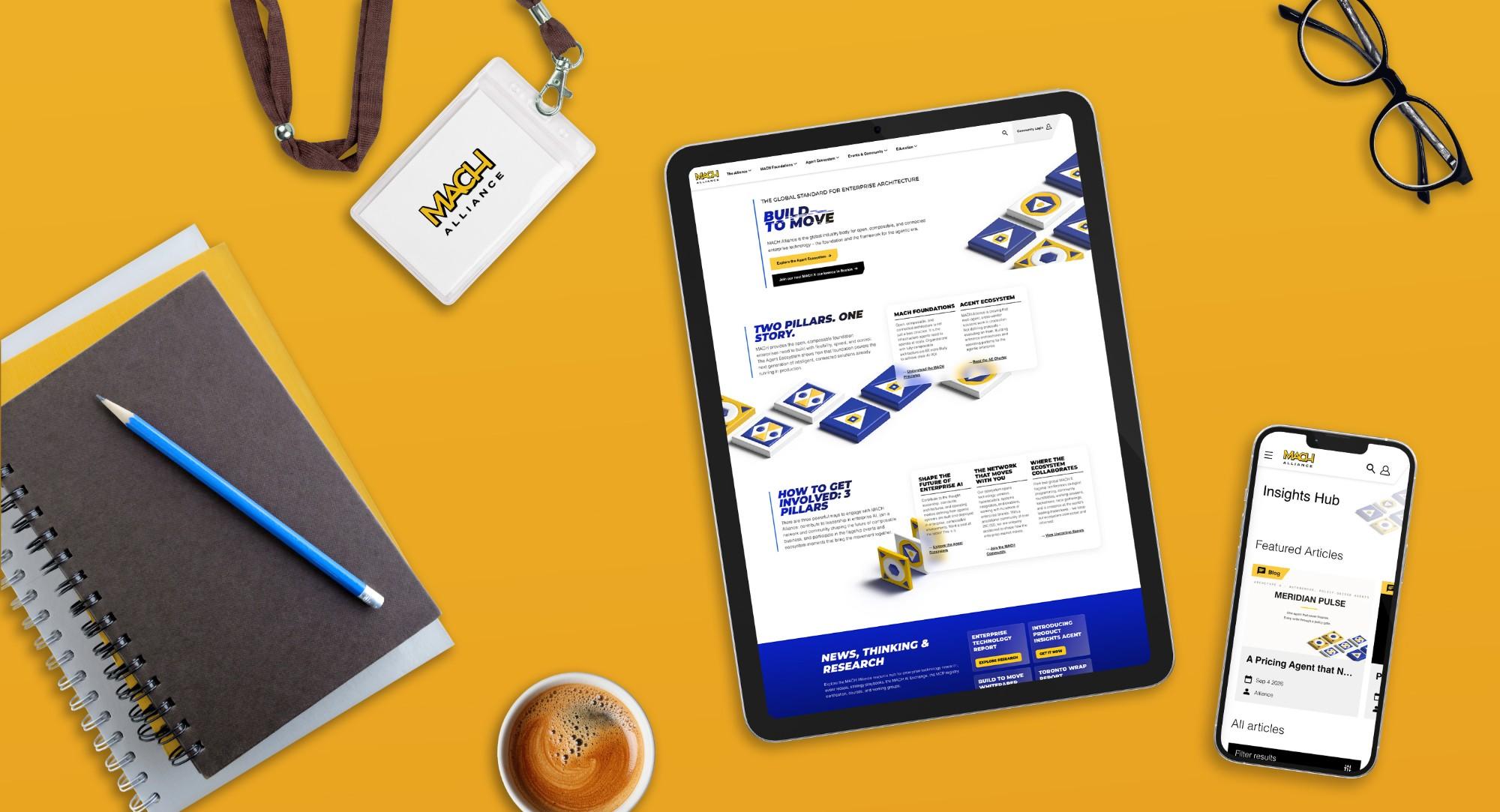
The MACH Alliance is the industry body behind open, composable, connected technology standards, bringing together vendors, system integrators, and enterprise adopters across a global membership. As its mandate widened across research, certification, events, and published guidance—and as agentic technology moved to the center of its agenda—the Alliance decided to make its own operations the first place the program proved itself.
Between February and October 2026, they partnered with Orium to move recurring content, design, and program work onto Claude Cowork, to advise on how agents and skills should be designed and maintained, and to build the production skills the Alliance now uses every day.
Disclosure: Jason Cottrell, CEO of Orium, also serves as President of the MACH Alliance.


The Challenge
An industry body’s influence is measured by what it publishes, certifies, and convenes, and the Alliance’s ambitions across all three were rising at the same time. The agentic ecosystem work added an entirely new program area rather than an extension of an existing one, arriving at a moment when the organization’s existing commitments were already growing.
The Alliance’s credibility depends on moving at the pace of the technology shift it exists to describe, and so the way the work got done had to change. Three constraints shaped that change.
The first two, output bound to hours and expert time spent on production, related to current limitations. The Alliance’s product—articles, ebooks, and demo materials among them—moved through the same small set of hands at a predictable cost in time, which placed a ceiling on how much the Alliance could publish and how quickly it could respond to a fast-moving market. Alongside that, a considerable share of SME time was going into production work like formatting, brand execution, first drafts, and the mechanical portions of editorial review, rather than into the standards, research, and member programs that only this team can deliver.
The third challenge was a constraint that needed to continue: capability had to stay in house. For this transformation to hold, the Alliance’s own people needed to build, maintain, and extend the systems they were given. That set a clear requirement for everything introduced: it had to be operable by practitioners in standards, marketing, and member programs, working in the tools they already use.

The Strategy
Orium started from an observation about organizations where agentic work is new: capability and confidence have to develop together. A system nobody trusts goes unused, and enthusiasm without capability generates requests nobody can fulfill. Rather than run discovery, build, and rollout in sequence, Orium decided to advance three strands at once, each feeding the others.
The starting point in every case became work the team already did every week. Moving familiar tasks first would make the value legible immediately and give the team a basis for judging what should move next, with progress measured in real work completed on the platform rather than in licenses assigned or training sessions attended.
The engagement would be organized around three concurrent strands:
- Adoption: Orium would work directly with Alliance staff on moving day-to-day operations into Cowork.
- Agent and skill design advisory: Guidance on how to scope a skill, what belongs inside one, when a workflow is stable enough to be worth encoding, and how a team maintains its skills as brand, process, and platform evolve.
- Build: Authorship of the production skills the Alliance uses daily, prioritizing work that was frequent, rule-bound, and costly in hours, where an encoded skill returns its investment fastest.
The Alliance asks the industry to take agentic technology seriously, so it was important that we applied it to our own operations first. Orium helped us do that in a practical way, starting with the work we do every week, and we now have real experience to share with our members.
The Solution
Four skills built in Claude Cowork now carry a significant share of the Alliance’s recurring output. Each was written to be read and edited by Alliance staff, so that the skills document how the organization works as much as they automate it.
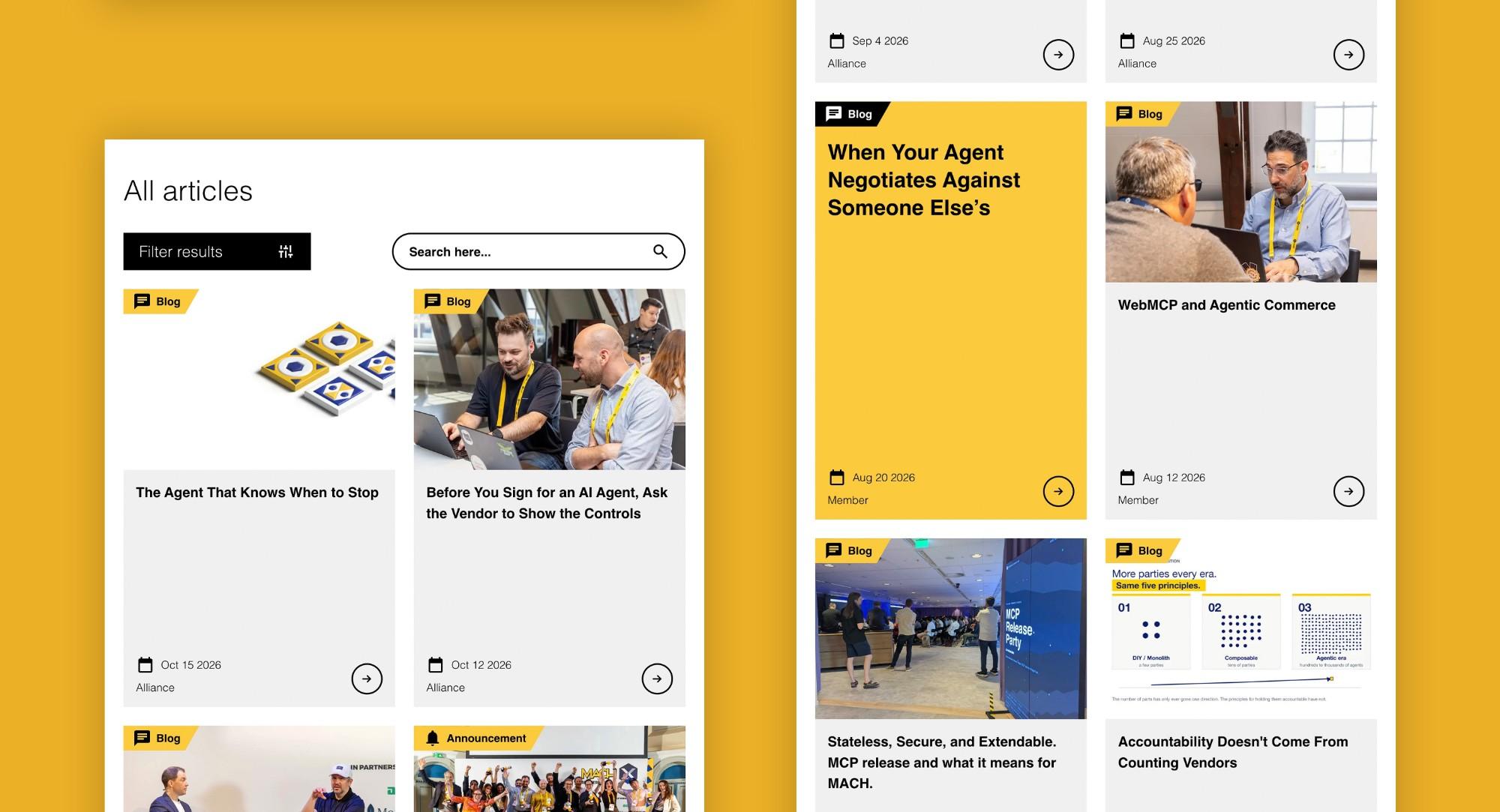
The first handles both directions of the Insights Hub editorial workflow, co-writing articles from a blank page and critiquing or tightening existing drafts, including member submissions. It encodes the Insights Hub’s editorial standards and its expectations for evidence and structure, and it strips out the tells that mark machine-generated copy. That lets the Alliance accept more outside contributions while holding all of them to the same standard.
A hero banner skill places the wording for event and article banners onto the Alliance’s exported brand artwork rather than generating new images from scratch, so logos, badges, and layout stay pixel-correct while the text changes. Brand execution becomes part of the system rather than a review step, and visual identity keeps pace with announcements instead of holding them up.
For ebooks, the Alliance’s highest-value and most time-intensive format, a draft generator produces a structured first draft with argument, section scaffolding, and supporting material, which shifts the team’s effort from assembly to judgment and revision. A demo video recorder rounds out the set, capturing demonstration material on request and removing a recurring production and scheduling dependency from the Alliance’s program work.
The advisory work focused on what keeps a set of skills useful over time. Teams new to agentic work tend to scope skills either too narrowly, producing a sprawl of near-duplicates, or too broadly, producing something that does many things adequately and nothing reliably. Working through that judgment with Alliance staff on their own workflows, rather than in the abstract, is what has allowed the team to take over authorship as the engagement has progressed.

Outcomes & Next Steps
The MACH Alliance has increased what it publishes and stood up a new program area without adding headcount. The Agentic Ecosystem program runs alongside the Alliance’s ongoing research, certification, and membership commitments rather than displacing them.
- Greater publishing capacity: The Alliance produces more Insights Hub content than before the engagement, and long-form work once reserved for a few moments a year is now practical to take on more often.
- Expert time redirected: Formatting, brand execution, first drafts, and mechanical review now move through skills, returning that time to standards, research, and member programs.
- Consistency at volume: Brand and editorial standards live in the skills themselves, so quality holds as output and the pool of contributors grow.
- Adoption across functions: Cowork is part of the weekly routine for staff in editorial, design, events, and membership, not confined to a single team or pilot group.
The work is now extending from content and design into membership and certification operations. Alliance staff already create and revise skills of their own, extending the four Orium authored without an intermediary. The Alliance now has an agentic capability that grows with its ambitions rather than its vendor relationships, and firsthand experience to share with the members it asks to adopt the same technology.